What to Look for in a Radon Mitigation Contractor
When I bought my first house in St. Louis, radon was the last thing on my mind. I had checked the roof, the furnace, and the foundation cracks, but it never occurred to me that an invisible gas could be seeping up through the soil. After a neighbor mentioned her test results, I picked up a radon detector from a local hardware store. The number that blinked back at me was well above the EPA action level. That is when I started learning about radon mitigation and what it really takes to fix the problem.
Radon gas comes from the natural decay of uranium in soil and rock. It moves up through the ground and into buildings through gaps in the foundation, cracks in basement floors, or openings around pipes. The EPA estimates that radon causes thousands of lung cancer deaths each year, making it a serious health concern for homeowners. Mitigation is not a do-it-yourself project for most people. It requires knowledge of air pressure dynamics, soil characteristics, and proper system design. That is why choosing a qualified radon mitigation contractor matters more than most people realize.
Why Experience Matters
Not every general contractor or handyman understands radon mitigation. The work involves more than just sealing cracks in the basement floor or installing a fan in the crawl space. A radon mitigation contractor needs to understand how sub-slab depressurization works, how to run PVC piping without creating new entry points, and how to verify that the system actually reduces radon levels. I have seen systems that looked fine but failed because the fan was undersized or the sealing was incomplete. A good contractor will explain the process in plain terms and show you what they plan to do before they start.
In St. Louis, the geology varies from one neighborhood to the next. Some areas have high soil permeability, which allows radon gas to move more freely. Others have clay soils that slow the gas down but also make sub-slab depressurization more challenging. A local radon mitigation contractor will know these differences and adjust the system design accordingly. They will also be familiar with common basement types in the region, from full basements with finished walls to crawl spaces with dirt floors.
What a Proper Mitigation System Includes
A professional mitigation system typically starts with a radon test to confirm the problem. The contractor places a radon detector in the lowest livable area of the home, usually the basement. After the test confirms elevated levels, the contractor designs a system that depressurizes the soil beneath the slab. This is called sub-slab depressurization. A fan pulls radon gas from below the concrete and vents it through PVC piping to the outside, above the roofline. The system also includes a manometer, which is a small gauge that shows whether the fan is running and creating the right vacuum. Without that gauge, you would have no way to know if the system is working.
Sealing is another critical part of the job. The contractor seals cracks in the basement floor, gaps around utility entries, and openings in the foundation walls. This prevents radon from being pulled into the home by the vacuum created by the fan. But sealing alone does not solve the problem. I have talked to homeowners who spent money on caulking every joint in their basement only to find that their radon levels remained high. Sealing reduces the pathways, but it does not stop the pressure-driven flow of radon gas. Only a properly designed mitigation system can do that.
Post-Installation Verification
After the system is installed, the work is not done. A reputable radon mitigation contractor will perform post-installation verification testing. This involves placing another radon detector in the same location as the initial test and running it for the required period, usually two to seven days. The results confirm that the system has reduced radon levels below the EPA action level of 4 picocuries per liter. I have seen cases where the first test after installation showed a number still above the threshold, and the contractor had to adjust the system. That is why verification is not optional. It protects the homeowner and proves the system works.
Some contractors offer a warranty on their work. A typical warranty covers the fan and the piping for a set number of years. It is worth asking about this before you hire someone. A fan that fails after a year could leave you with elevated radon levels and no way to know it unless you check the manometer regularly. A good contractor will also show you how to read the manometer and suggest periodic retesting every two years or after major renovations.
Red Flags to Watch For
Not everyone who offers radon mitigation has the right training. I have heard stories of contractors who installed a fan in the attic without connecting it to the sub-slab system, leaving the homeowner with a noisy but useless setup. Others have used undersized PVC piping that restricts airflow and reduces the system efficiency. A qualified radon mitigation contractor will carry liability insurance and can provide references from previous clients. They should also be able to explain the science behind the system in a way that makes sense.
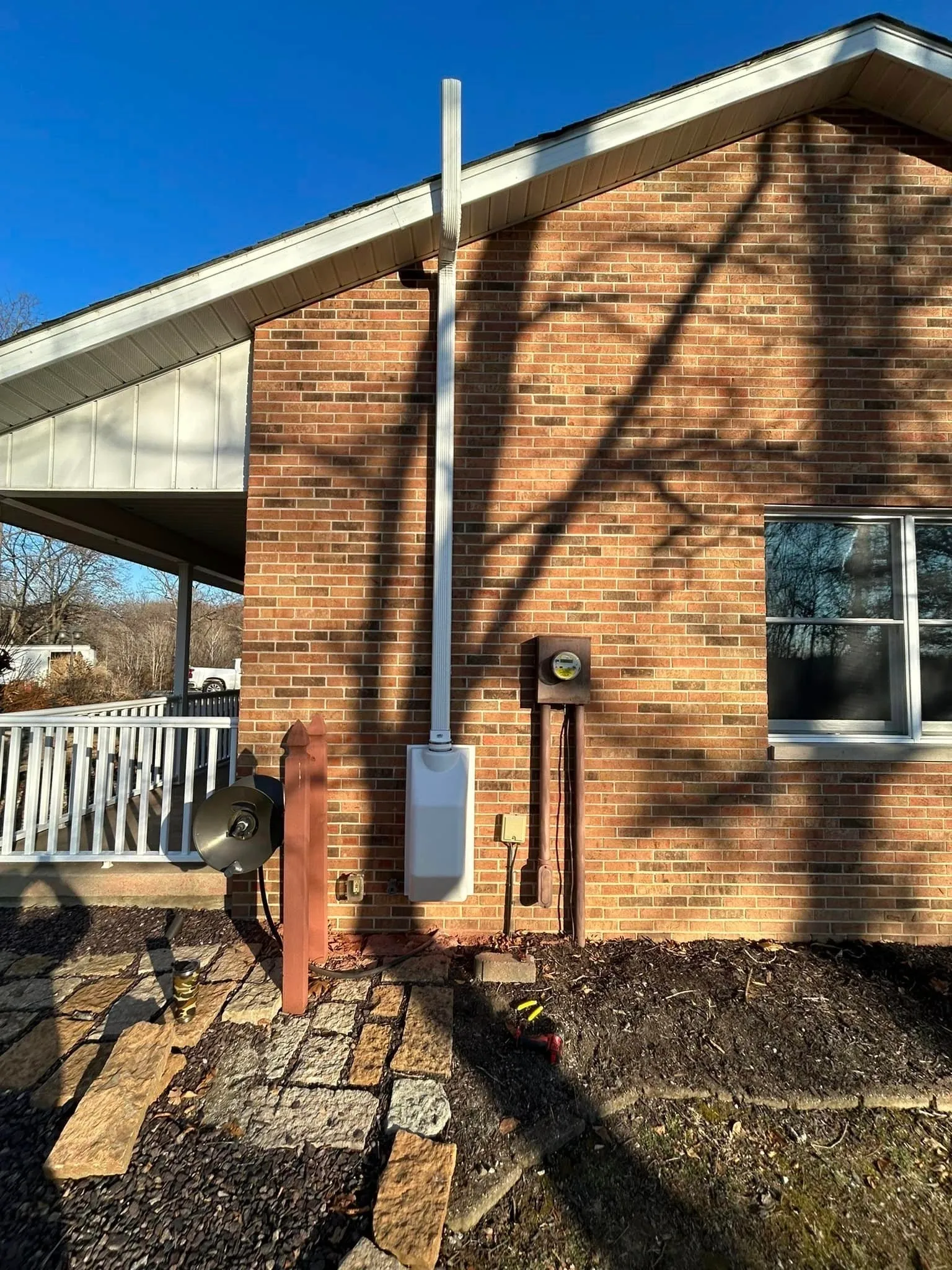
Another red flag is a contractor who promises to fix the problem without testing first. Testing is the only way to know the starting point. Without a baseline, you cannot measure success. Some contractors use continuous radon monitors for faster results, while others use activated carbon detectors that are sent to a lab. Both methods are valid, but the contractor should explain which one they use and why. If they skip testing altogether or try to sell you a system based on a neighbor's results, that is a sign to look elsewhere.
How to Find the Right Contractor
Start with the EPA website or your state radon program. Many states maintain lists of certified or licensed radon professionals. In Missouri, you can check with the Department of Health and Senior Services. Ask potential contractors about their experience with homes similar to yours. If you have a crawl space instead of a full basement, the system design will be different. If your home sits on a slab, the approach changes again. A contractor who has handled those situations will have practical knowledge that a generalist lacks.
I recommend asking for a written proposal that includes the type of system, the materials used, the expected timeline, and the cost of post-installation verification. A detailed proposal shows that the contractor has thought through the job. It also gives you something to compare if you get multiple quotes. The cheapest bid is not always the best deal. A system that fails to reduce radon levels costs you time and money, and it does nothing for your health.
My Experience with Air Sense Environmental
When I needed a system for my own home, I spoke with several contractors in St. Louis. One company that stood out was Air Sense Environmental. They took the time to explain the difference between soil suction and sub-slab depressurization, and they showed me how the manometer would help me monitor the system over time. They did not rush the process. They performed a radon test first, then designed a system that fit my basement layout. After installation, they came back for post-installation verification to confirm the numbers had dropped. That level of attention gave me confidence that the system would work for years.
Radon mitigation is not a one-size-fits-all solution. The right radon mitigation contractor will treat your home as a unique case and design a system that addresses the specific conditions. They will test before and after, explain what they are doing, and stand behind their work. If you are in St. Louis and looking for help, take the time to find someone who knows the local geology, understands the science, and values verification. Your health is worth the effort.